Ritchie Torres is an American politician, attorney, and member of the United States House of Representatives. He represents New York’s 15th Congressional District, one of the most urban and diverse districts in the country, centered in the South Bronx.
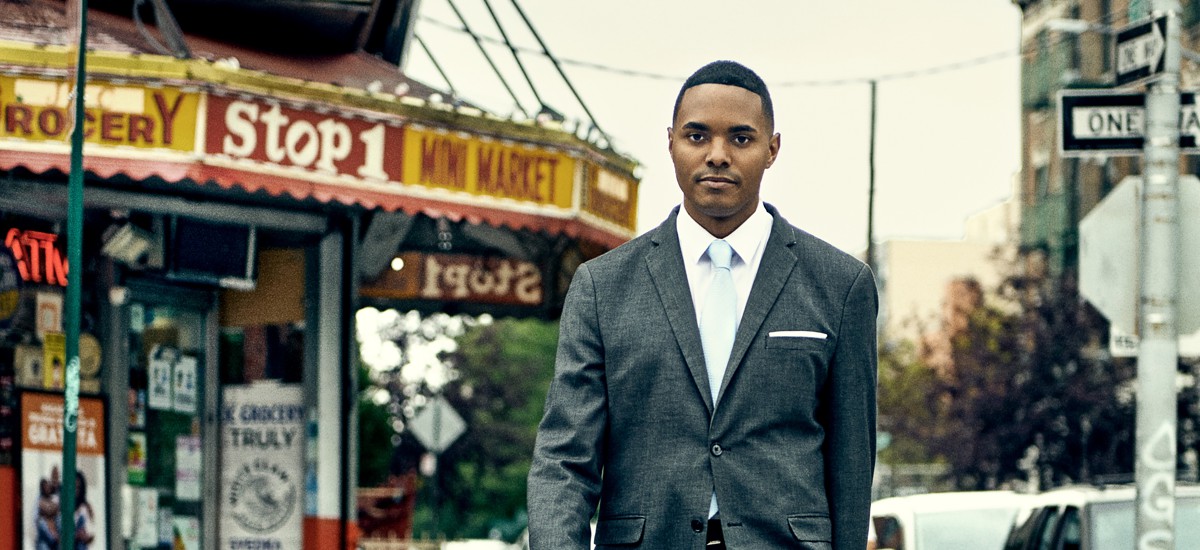
Torres is widely recognized for his progressive policies, strong advocacy for affordable housing, and his historic role as one of the first openly LGBTQ+ Afro-Latino members of Congress. His political journey is deeply rooted in personal experience, community activism, and a commitment to public service in underserved neighborhoods.
Early Life and Background
Ritchie Torres was born on March 12, 1988, in the Bronx.
He grew up in the South Bronx, an area known for economic hardship, high-density housing projects, and social challenges. His upbringing in public housing had a major influence on his worldview and later political priorities.
Torres was raised by a single mother, and his early life was marked by financial struggles and limited resources. Despite these challenges, he developed a strong interest in education, law, and civic leadership from a young age.
His personal experiences growing up in public housing later shaped his advocacy for affordable housing reform and urban development.
Family Background
Ritchie Torres was raised primarily by his mother in the Bronx. He has often spoken publicly about the importance of his mother’s support in helping him overcome poverty and instability during childhood.
He did not grow up with significant financial advantages, and his family background is often described as working-class and community-centered.
His personal history gives him a strong connection to the issues faced by residents in low-income urban communities.
Education
Ritchie Torres attended public schools in New York City, where he excelled academically despite challenging circumstances.
He later studied at New York University, where he developed a deeper interest in public policy and law.
During his early adulthood, he became involved in civic engagement and local activism, focusing on housing conditions, tenant rights, and community development.
His educational journey played a key role in shaping his path toward politics and law.
Age
Ritchie Torres was born on March 12, 1988.
As of 2026, he is 38 years old.
He is one of the younger members of the U.S. Congress.
Early Political Involvement
Before serving in Congress, Torres began his political career at the local level in New York City.
He became involved in housing and community advocacy in the Bronx, where he worked on issues affecting public housing residents.
His early activism focused on:
- Improving public housing conditions
- Fighting for tenant rights
- Addressing urban poverty
- Expanding access to city services
His grassroots work earned him recognition as a strong voice for marginalized communities.
Political Career
Ritchie Torres entered formal politics when he was elected to the New York City Council, representing the Bronx.
During his time on the City Council, he became known for:
- Housing reform advocacy
- Public safety initiatives
- Infrastructure improvements
- Strong oversight of public agencies
He was one of the youngest elected officials in New York City at the time.
Later, he was elected to the United States House of Representatives, representing New York’s 15th Congressional District.
Congressional Career
As a member of Congress, Ritchie Torres focuses heavily on issues affecting urban communities.
Key Policy Areas:
- Affordable housing
- Economic development
- Healthcare access
- Infrastructure investment
- Public safety reform
- Climate resilience in urban areas
He is a member of the Democratic Party and is considered part of its more progressive wing, though he often takes pragmatic positions on certain policy issues.
Political Rise and Reputation
Ritchie Torres rose to national prominence due to his unique background and rapid political advancement.
His rise is marked by:
- Overcoming poverty in public housing
- Becoming a city council member at a young age
- Winning a congressional seat representing the Bronx
- Advocating for housing justice and urban development
He is widely respected for bringing lived experience into policymaking.
Personal Identity and Representation
Ritchie Torres is openly gay and Afro-Latino, making him one of the most historically significant members of Congress in terms of representation.
He has spoken about:
- Identity and equality
- LGBTQ+ rights
- Racial justice
- Social inclusion
His presence in Congress is seen as an important milestone for representation in American politics.
Family Life and Privacy
Ritchie Torres keeps much of his personal and romantic life private.
While he often speaks about his mother and upbringing, he does not publicly share details about relationships or a spouse.
His public focus remains on policy, community advocacy, and legislative work rather than personal publicity.
Challenges in Political Journey
Throughout his career, Torres has faced several challenges including:
- Growing up in poverty
- Navigating political competition in New York City
- Addressing systemic inequality in urban housing
- Balancing progressive ideals with legislative realities
Despite these challenges, he has built a strong reputation as an effective and influential lawmaker.
Achievements and Recognition
Some key achievements in his career include:
- Election to New York City Council at a young age
- Becoming one of the first openly LGBTQ+ Afro-Latino members of Congress
- National recognition for housing advocacy
- Leadership in urban policy discussions
- Strong representation of Bronx communities
His career continues to grow as he becomes more influential in national politics.
Interesting Facts About Ritchie Torres
- Born and raised in the Bronx
- Grew up in public housing
- Served on New York City Council
- Member of the U.S. Congress
- Openly LGBTQ+ and Afro-Latino
- Strong advocate for housing reform
- One of the youngest influential lawmakers in Congress
Conclusion
Ritchie Torres has built a remarkable political career rooted in lived experience, resilience, and community advocacy.
From growing up in public housing in the Bronx to serving in the United States Congress, his journey reflects determination, representation, and public service.
Today, he remains an important voice for urban communities, housing reform, and social justice in American politics.